
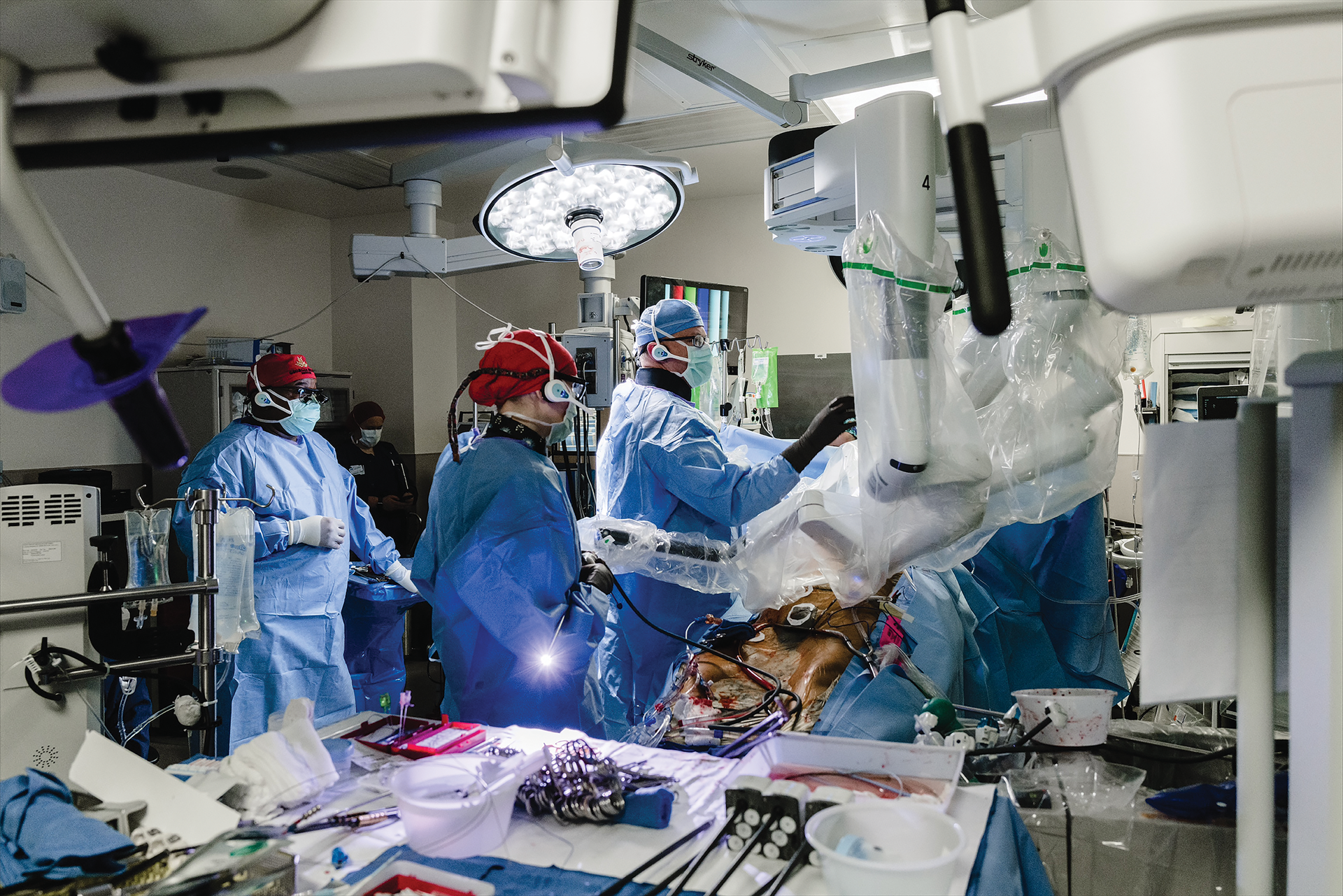
General surgery has changed so profoundly over the years that many clinicians describe its evolution as a journey shaped by curiosity, setbacks and renewed discoveries that still influence daily practice. Patients often ask how these shifts occurred, and the answer usually begins with stories from earlier decades when procedures carried greater risks and limited guidance. According to our editor’s research, many surgeons now recall those older periods as times of determination rather than predictability, and these reflections highlight how far the field has advanced. Each generation contributed something new, and these contributions built the foundation of modern techniques used in hospitals today. These changes did not happen overnight, yet they permanently altered the experience of surgical care for countless patients.
How did early surgical eras shape modern practice?
Early surgical eras relied heavily on intuition, and procedures often depended on the surgeon’s ability to make rapid decisions with limited tools. Many of these early techniques may seem basic now, yet they laid the groundwork for the structured approaches used today. As a result of our editor’s reviews, the first recorded improvements often came from simple observations about infection control, and these insights gradually influenced operating room standards. Surgeons began to understand how sterilization reduced complications, and this understanding reshaped daily routines. Hospitals introduced dedicated spaces for procedures, and these spaces marked the beginning of controlled environments that helped protect patients. This period taught clinicians the importance of consistency, which remains essential in modern practice.
Why did anaesthesia change the direction of surgery?
Anaesthesia transformed surgery more than any other single development because it changed patient comfort, surgical timing and overall safety. Before its introduction, operations required tremendous physical and emotional resilience, and many patients avoided surgery due to fear. According to our editor’s research, the early forms of anaesthesia allowed surgeons to perform procedures with greater precision since they no longer rushed to reduce patient discomfort. Over time, anaesthesia evolved into specialized fields with monitoring systems that enhanced safety. Clinicians could plan longer operations, explore deeper structures and reduce unnecessary trauma. These changes created space for innovation, and many modern techniques emerged from the freedom that anaesthesia provided. Surgery became safer, calmer and more predictable.
How did antiseptic practices influence surgical outcomes?
Antiseptic techniques significantly lowered infection rates and changed the expectations surrounding postoperative recovery. Many clinicians recall that early surgical outcomes depended heavily on luck because infections often complicated even simple procedures. As a result of our editor’s reviews, antiseptic solutions and sterilization protocols proved to be the turning point that allowed surgery to progress from a high-risk intervention to a more controlled discipline. Hospitals implemented rules regarding handwashing, equipment handling and operating room cleanliness. These rules may appear obvious today, yet they were revolutionary at the time. As infection rates dropped, patient trust increased, and more people became willing to undergo necessary procedures. This shift created the foundation for advanced surgeries that rely on stable, infection-controlled environments.
What role did imaging technologies play in surgical planning?
Imaging technologies helped surgeons see more clearly and plan more accurately, especially as procedures became more complex over the decades. Early surgeons relied on physical examination and experience, which limited their ability to predict hidden problems. According to our editor’s research, the introduction of X-rays, CT scans and MRI studies allowed clinicians to map surgical routes with greater accuracy. These images exposed structural variations, tumour boundaries and unexpected complications that previously went unnoticed. Surgeons could prepare detailed strategies before entering the operating room, reducing unnecessary exploration. Patients benefited because operations became shorter, outcomes improved and recovery times decreased. Imaging also encouraged multidisciplinary teamwork as radiologists contributed vital insights during planning.
How did minimally invasive techniques reshape the field?
Minimally invasive techniques marked one of the most dramatic shifts in general surgery because they replaced large incisions with small, targeted entry points that reduced trauma. Surgeons developed tools that allowed them to operate using cameras, specialized instruments and magnified views. As a result of our editor’s reviews, laparoscopic surgery led to shorter hospital stays, reduced pain and faster patient recovery. Many common procedures, including gallbladder removal and hernia repair, now rely on these methods. Surgeons trained extensively to adapt to the new hand-eye coordination skills required for these techniques. Minimally invasive approaches also inspired further technological advances, including robotic systems that refined precision. These innovations redefined what patients expect from surgery.
Why did robotic systems become popular in operating rooms?
Robotic systems gained popularity because they enhanced accuracy, stability and control during complex procedures that required careful movement. According to our editor’s research, these systems offered improved visualization with high-definition magnification that allowed surgeons to work with exceptional clarity. Many clinicians appreciated the ergonomic benefits as robotic consoles reduced physical strain during long operations. Patients experienced better outcomes with smaller incisions and reduced postoperative discomfort. Robotic surgery also encouraged collaborative learning as teams analyzed performance data to refine techniques. Over time, these systems expanded into more surgical specialties, showing how general surgery often leads broader medical innovation. Robotic platforms now represent one of the most recognizable symbols of modern surgical progress.
How did recovery and postoperative care evolve?
Recovery practices changed significantly as clinicians learned more about how the body heals after surgery. Early recovery models required long hospital stays, limited movement and strict restrictions that often increased complications. As a result of our editor’s reviews, enhanced recovery programs now encourage early mobilization, targeted nutrition and tailored pain control to support quicker healing. These strategies rely on evidence showing that gentle movement reduces risks such as blood clots and lung complications. Nutrition plans help rebuild strength sooner, and personalized pain management improves comfort without excessive medication. These changes made recovery more predictable and allowed patients to resume daily routines sooner. Recovery became an active process rather than passive waiting.
How has patient education influenced surgical outcomes?
Patient education gradually became a cornerstone of modern surgical care because informed patients participate more confidently in their treatment plans. Surgeons realized that many complications occurred when patients misunderstood postoperative instructions. According to our editor’s research, structured educational sessions improved adherence to guidelines such as wound care, diet progression and movement restrictions. Clear explanations reduced anxiety and helped families support patients more effectively. Many clinics introduced visual guides, verbal counselling and follow-up calls to reinforce instructions. These changes strengthened trust between patients and surgical teams. Education transformed surgery from a distant process into a collaborative partnership, which improved both physical and emotional outcomes.
What impact did safety protocols have on surgical culture?
Safety protocols reshaped surgical culture by encouraging standardization, teamwork and accountability across every stage of patient care. Before structured checklists existed, errors often stemmed from miscommunication or incorrect assumptions. As a result of our editor’s reviews, tools such as pre-operative checklists, equipment verification steps and time-out procedures helped reduce preventable mistakes. These practices improved communication between team members and strengthened coordination during fast-paced operations. Many hospitals adopted regular team briefings and debriefings to review performance and share insights. Safety culture became a shared responsibility rather than an individual task. These shifts helped create a professional environment where continuous improvement became the norm.
How did global collaboration accelerate surgical progress?
Global collaboration allowed surgeons to share knowledge, compare techniques and refine standards across continents. Many innovations spread faster through conferences, exchange programs and collaborative research networks. According to our editor’s research, these international interactions helped smaller hospitals adopt advanced practices more quickly. Surgeons from different countries contributed diverse perspectives, which encouraged creative problem-solving and technique refinement. Training programs improved as global guidelines helped unify expectations. These collaborations also strengthened public health systems by ensuring that surgical improvements reached wider populations. As communication improved, surgical progress accelerated more than ever before.
How does general surgery continue to evolve today?
General surgery remains dynamic because new challenges emerge as technology and patient needs shift. Surgeons now explore artificial intelligence tools that assist in diagnosis, monitoring and planning. Minimally invasive approaches continue to expand, and many hospitals consider hybrid operating rooms that combine imaging and surgical capabilities. As a result of our editor’s reviews, many experts believe that future progress will focus on personalized surgical strategies built around genetics, lifestyle and individual anatomy. Surgeons also examine ways to make procedures more accessible to underserved communities through training and outreach programs. Modern practice remains rooted in the lessons of earlier decades while looking ahead to possibilities shaped by innovation and shared knowledge.